



5 leather brush mistakes that roughen car leather
Daniel von Detailing1 |


Koch-Chemie
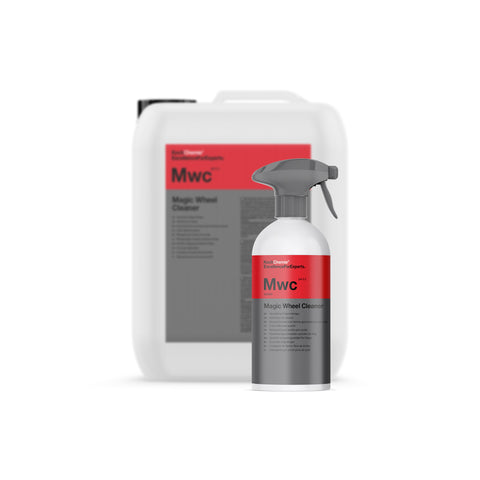
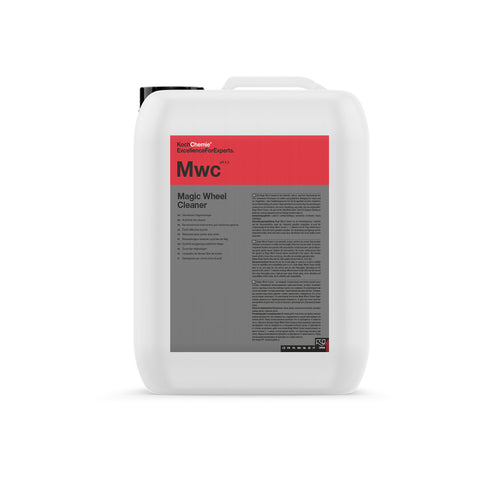
Magic Wheel Cleaner "Mwc" Wheel Cleaner
Acid-free wheel cleaner with color change for daily workshop use
SONAX
Acid-free wheel cleaner with color change for all rim types
TUGA Chemie
Alu-Teufel "Spezial"® (Green) Wheel Cleaner
pH-neutral wheel cleaner gel with active indicator for all rims

Meguiars Ultimate All Wheel Cleaner works acid free on alloy, paint and chrome.


Koch-Chemie
"ReactiveWheelCleaner" Wheel Cleaner
Revolutionize rim care with this high-quality cleaner
Koch-Chemie
Felgenblitz säurefrei "Fb" wheel cleaner
Effective acid-free wheel cleaner with color change


SONAX
Wheel Cleaner PLUS — color-changing, for all wheel types, TPMS
Iron particles react purple and dissolve
D-CON
"V4" Wheelcleaner & De-Ironizer Wheel Cleaner
Highly effective rim cleaner with lavender scent for all surfaces


GYEON
Q²M Iron WheelCleaner (REDEFINED) Wheel Cleaner
Reactive Wheel Cleaner – Brake Dust & Rust Film Chemically Dissolved


Dr. Wack "P21S"
Maximum cleaning power for all rims


Meguiars
Safely remove brake dust & road grime — no scrubbing


Soft99
Soft99 Iron Terminator Wheel Cleaner
Innovative rim cleaner for deep cleaning
Koch-Chemie × THE FINISHER
THE FINISHER "WheelKing" Wheel Cleaner
Powerful acid-free wheel cleaner with shine and beading effect
Brake dust and road film call for different cleaning properties. The formula and its suitability for your wheel surface are what matter. Acid-free does not automatically mean pH-neutral, and a colour change replaces neither the product instructions nor a check after rinsing.
Wheel cleaners remove brake dust and other dirt from wheel surfaces approved for treatment. Depending on the formula, they tackle iron deposits, road film or mineral residues. The name describes where you use them, rather than a single type of chemistry. Choose by the dirt you need to remove, the wheel finish and the specific manufacturer instructions. Our guide to wheel and tyre cleaning puts the work on the whole wheel into context.
What we see day-to-day: Judge a reactive wheel cleaner by the result after rinsing, rather than the darkest colour. With the relevant formulas, the colour change shows a reaction with iron. A grey film left behind may need different cleaning properties or targeted brushwork. That does not give you a reason to leave the cleaner on longer.
Brake dust and road film need the right cleaning properties. Wheel cleaners combine these differently, and the specific wheel surfaces approved for treatment narrow your choice.
Brake dust contains iron-bearing wear particles, among other things. Reactive cleaners can dissolve these chemically, rather than relying entirely on agitation. Koch-Chemie describes Mwc turning red as it reacts with iron particles. You can see that reaction taking place. The colour does not tell you whether the rest of the dirt has come off too.
Road film is the layer of dirt that sticks to the surface as you drive. The dirt-removing ingredients in the formula matter here. A cleaner can tackle both iron-bearing brake dust and other wheel grime. Check its description to see which jobs a particular product covers. A strong colour change alone tells you nothing about how thoroughly it removes road film.
Keep loose dirt, bonded deposits and surface damage separate. Cleaning cannot repair corrosion, chipped paint or a coating that has already deteriorated. If a mark looks unchanged after washing, more chemical treatment is not automatically the next sensible step. First, work out whether there is still removable dirt there at all.
The wheel cleaner category does not mean every product is approved for the whole wheel or vehicle. A formula designed for wheels is not automatically suitable for body paint or tyre sidewalls. Stick to the uses the manufacturer actually specifies. For rubber sidewalls, look at tyre cleaners; for iron particles on body paint, choose iron removers explicitly approved for paintwork. Sharing a cleaning mechanism does not make products interchangeable.
Start with two straightforward questions: what needs to come off, and what surface is it on? Iron-bearing brake dust calls for different checks from a mainly greasy road film. With mixed dirt, look for a cleaner whose manufacturer describes both tasks. That connects the problem you can see with properties you can verify.
The wrong formula can attack the surface. Acid-free, acidic and alkaline wheel cleaners differ in how they work, how you use them and which materials their manufacturers approve.
Acid-free wheel cleaners are not all pH-neutral. Koch-Chemie calls Mwc acid-free while specifying a pH of 5.5. That is a clear example of why the two terms are not interchangeable. TUGA describes the green Alu-Teufel as having a skin-neutral pH. That manufacturer description is not a promise of suitability for every surface or every use either.
The pH tells you whether a product is acidic, neutral or alkaline. It gives you a pointer to the formula, without replacing a material compatibility check. That is useful when comparing products: read the actual value or manufacturer description, then check the approved uses. A single term such as acid-free cannot tell you everything about compatibility.
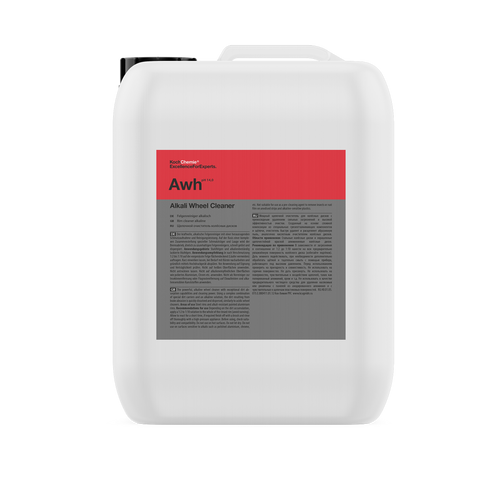
Alkaline wheel cleaners have different limits. Koch-Chemie describes Awh for painted aluminium and steel wheels that resist alkalis. Polished aluminium, chrome and other alkali-sensitive surfaces are excluded. That approved use is your first filter when choosing a cleaner for this wheel grime. Diluting it correctly does not make an explicitly excluded surface suitable.
Acidic wheel cleaners are also restricted to specific materials. Koch-Chemie Fe is intended for acid-resistant surfaces; bare aluminium and zinc are among its stated exclusions. An acidic wheel cleaner is therefore not an automatic step up whenever another product leaves dirt behind. Check the cause and the surface before changing the cleaning chemistry.
Use these differences to choose a product, without turning them into a ranking. To remove iron-bearing brake dust from an approved surface, check a reactive formula described for that job. If you are considering a specialist alkaline or acidic clean, check its particular limits. Acid-free, acidic and alkaline help you sort the options; product suitability decides what you can actually use.
A product description that sounds milder still leaves you with instructions to follow. The manufacturer’s dwell time, dilution and thorough rinsing apply whatever the cleaner is called. Do not mix different products into your own formula. A sound choice needs known properties and clear instructions, rather than a home-made combination.
An aluminium wheel does not tell you its surface finish. Paint, polished metal, chrome or an added coating determine which product approvals you need for cleaning.
The wheel finish is the surface you actually treat: paint, polished metal or a chrome layer, for example. The base material underneath is only part of the decision. A painted aluminium wheel and bare polished aluminium cannot be assessed using the same blanket statement about aluminium wheels. Look for your specific finish in the product instructions.
Koch-Chemie lists painted aluminium wheels, high-quality chrome-plated wheels and steel wheels for Mwc. The manufacturer also requires a check for suitability and compatibility before use. Together, those details help you choose: you have a described use and a clear check to carry out. Each product’s approval applies to that product, even within the same brand.
For repainted, repaired or otherwise modified wheels, take the new surface into account. The original vehicle specification no longer tells you everything about the finish. Check the treatment guidance from the wheel manufacturer or the business that did the work. An approval for factory paint cannot simply be extended to every subsequent respray.
Damage changes the starting point too. Chipped paint or exposed edges can leave a different material accessible from the one on an intact surface. Approval for the coated surface is therefore not a promise covering every damaged area. If you cannot confidently identify the finish, get advice from a suitable specialist before cleaning.
A wheel sealant or coating brings its own care instructions. Compare those with the cleaner instructions, rather than assuming the word ceramic means everything is compatible. The available information does not establish a universal loss of durability for every sealant or coating. Equally, it would be wrong to promise that every formula leaves every coating unchanged.
Cross-check the actual finish, surface condition, cleaner suitability and, where relevant, the coating care instructions. Only when those line up does comparing gel consistency, cleaning task or container size make sense. That turns the material question into practical buying advice, rather than stopping at the vague label aluminium wheel.
Leaving a cleaner on too long or letting it dry is not thorough cleaning. Temperature, dilution, preparation and rinsing must match that wheel cleaner’s instructions.
Start with cool wheels and a spot out of direct sunlight. Before applying the cleaner, check whether it is ready-to-use or needs diluting. Check surface preparation too. Koch-Chemie requires pre-wetting for Awh and Fe. A blanket instruction to spray every wheel cleaner onto dry wheels does not fit the whole category.
Koch-Chemie specifies 2–5 minutes for Mwc; TUGA specifies 3–5 minutes for the green Alu-Teufel. These are not general dwell times for every wheel cleaner. A similar consistency does not make them transferable either. Follow the instructions for the exact product you are using. Where labels or product versions differ, use the relevant current manufacturer guidance.
Watch the wet film, especially where it starts to recede around the edges. Dry-looking patches do not mean the cleaning has improved. Set up the job so you can rinse in time. If the surface or product shows conditions outside the instructions, leaving it on longer is no substitute for using it properly.
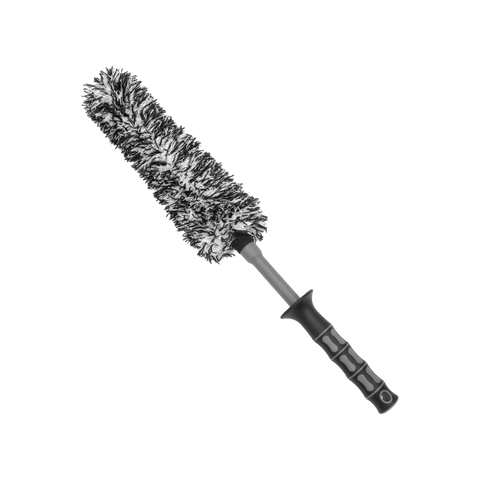
A wheel brush can help you clean recesses and awkward spots. Choose one that suits the surface and keep it clean. More pressure cannot replace approved material compatibility or the right formula. Brush shape and material belong in tool selection advice; the key here is that both the chemistry and the agitation suit the wheel.
A blanket test-winner label cannot answer your question. Compare wheel cleaners by documented properties, approved surfaces and product-specific use, rather than the intensity of their colour change.
The Koch-Chemie Magic Wheel Cleaner "Mwc" combines reactive brake dust removal with a viscous formula that clings to the surface. The manufacturer’s pH value of 5.5 explains why acid-free should not be confused with pH-neutral here. Its listed wheel surfaces and compatibility check matter just as much to your choice as the cleaning action.
The TUGA Chemie Alu-Teufel "Spezial"® (Grün) is an acid-free gel formula with a colour change. TUGA describes it as having a skin-neutral pH. Compare the actual manufacturer information when choosing between it and Mwc. Being in the same product category or showing a colour reaction does not mean the two share an identical formula or identical instructions.
GYEON Q²M Iron WheelCleaner (REDEFINED) is pH-neutral according to the manufacturer and combines a clinging gel formula with iron deposit removal. GYEON describes use on cool wheels, gentle brushwork where needed and thorough rinsing without letting it dry. That gives you a documented alternative to compare; we do not add a general rule for how many minutes it should dwell.
Meguiars Ultimate All Wheel Cleaner is described by the manufacturer as acid-free and pH-neutral. Its gel formula combines brake dust removers with dirt-removing surfactants. Those details help when comparing a formula for brake dust and other wheel grime. They are specific to this product, rather than automatically applying to other wheel cleaners from the same brand or with similar names.
| Product | Documented properties | Key limitation |
|---|---|---|
| Mwc | Acid-free, reactive, pH 5.5 | Check the listed wheel surfaces and compatibility |
| Alu-Teufel "Spezial"® (Grün) | Acid-free gel formula, skin-neutral pH | Follow the product instructions; colour change does not mean finished |
| Koch-Chemie Alkali Wheel Cleaner "Awh" | Alkaline cleaning of approved painted aluminium and steel wheels | Do not use on polished aluminium or chrome |
| Koch-Chemie Felgenreiniger extrem "Fe" | Acidic cleaning of acid-resistant surfaces | Do not use on bare aluminium or zinc |
The two specialist formulas Awh and Fe add different uses to this comparison. They are not an automatic recommendation for every stubborn deposit. Use the table to narrow your choice, then read the individual product instructions for dilution, preparation and further exclusions.
For the documented period from 29 September 2025 to 29 September 2026, Trusted Shops has 32 approved product reviews for items in this category. They do not replace material compatibility approval. Two reviews linked to Mwc show how customers describe their experience:
A review dated 25 April 2026 describes a quick reaction and a convincing cleaning result with Mwc.
A review dated 18 September 2026 for Mwc says the customer intends to order the product again when they next need it.
A bigger container cannot make up for the wrong product. Choose the cleaner by the dirt and approved uses first, then pick the right pack size.
If you clean your wheels as part of washing the vehicle, you need an application that suits that surface and dirt. A product for regular care should be described as such by its manufacturer. With unusually stubborn residues, take a closer look at the dirt. One wash result tells you neither a universal cleaning schedule nor that you need a specialist acidic formula.
A wheel cleaner concentrate needs measured dilution as instructed. A ready-to-use product removes that mixing step, without automatically being suitable for more materials. When comparing pack sizes, also consider whether you can reliably make the required dilution and use the product as described. Wheel cleaners in bulk containers are a choice of quantity, rather than an extra material compatibility approval.
With a wheel cleaning kit, check the cleaner and tool separately. Does the formula suit the finish, and can the included accessories reach the areas you need to clean? The kit name alone answers neither question. A suitable combination should let you do the planned job; it is not a reason to use the wrong cleaner or brush.
If residue remains after cleaning, reassess it: iron deposit, road film or a changed surface. Then look for the cleaning property documented for that task. Do not simply extend the dwell time or change chemistry without checking the material. That keeps your next decision focused on what still needs doing on your wheel.
Finish with a visual check once the wheel is dry: are the intended areas clean, and could a supposed dirt mark actually be damage? Making that distinction helps you plan the next treatment. Aim for a clearly clean result on an approved surface, without unnecessary treatment just because a colour reaction is absent or particularly strong.
Too much choice in Rim cleaner? Get help picking:
Depending on its formula, a wheel cleaner removes brake dust, road film or other deposits from approved wheel surfaces. Reactive products can chemically dissolve iron-bearing particles. The category does not describe a single chemistry or approval for paintwork or tyres. The specific cleaning task, wheel finish and manufacturer instructions remain the deciding factors.
Dwell time is product-specific. Koch-Chemie Magic Wheel Cleaner "Mwc" needs 2–5 minutes; TUGA Chemie Alu-Teufel "Spezial"® (Grün) needs 3–5 minutes. These times do not apply to the whole category. Compare the instructions, including preparation and dilution. Do not let the cleaner dry during use.
The right wheel cleaner depends on the cleaning task and approved materials. Then compare the formula, dwell time, dilution and consistency. Acid-free does not automatically mean pH-neutral, and a colour change is not a universal mark of quality. A comparison across brands should show these differences, rather than place every product on one ranking.
No. That tells you the base material, without fully describing the surface you treat. Painted, polished and chrome-plated aluminium can need different approvals. Check the actual finish, its condition and the product instructions. For repainted or repaired wheels, also check the guidance for the changed surface before choosing a cleaner.
Watch the wet film you have applied, especially around edges and recesses. If it recedes or patches look dry, do not read that as stronger cleaning. Work on cool wheels out of direct sunlight and be ready to rinse. Follow the product dwell time and rinse thoroughly in time; a colour change does not extend the permitted contact time.
Use a designated vehicle washing area and follow its rules on bringing your own cleaning products. Whether washing a vehicle on private property is allowed depends on local requirements and wastewater drainage, among other things. Check with the responsible authority. That does not give you a blanket go-ahead to wash on the driveway.
Daniel von Detailing1 |

Jasper von Detailing1 |

Daniel von Detailing1 |

Daniel von Detailing1 |

Daniel von Detailing1 |

Jasper von Detailing1 |

Jasper von Detailing1 |

Daniel von Detailing1 |

Daniel von Detailing1 |

Daniel von Detailing1 |

Daniel von Detailing1 |

Daniel von Detailing1 |


