




5 leather brush mistakes that roughen car leather
Daniel von Detailing1 |


Koch-Chemie
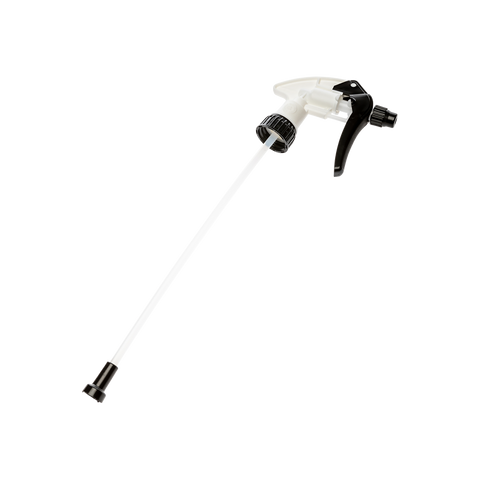
Spray Head "Star" (28/400) CHS-3AN by Canyon
Chemical spray head for 28/400 bottles with stepless nozzle

Koch-Chemie
HDPE Cylinder Bottle (28/400) Spray Bottle 1000ml

Koch-Chemie
Interior Brush "Green" Interior Autodetailing Brush soft


Koch-Chemie
"Dosing Cap" dosing cap for 1000ml / 270mm bottles
Dosing cap with 5 ml scale for Koch-Chemie 1-liter bottles
Koch-Chemie
Interior Brush "Yellow" interior brush medium-hard


Koch-Chemie
Pump sprayer with 1:1 to 1:10 scale for interior concentrates
Koch-Chemie
Interior Brush "Red" hard interior detailing brush

Koch-Chemie
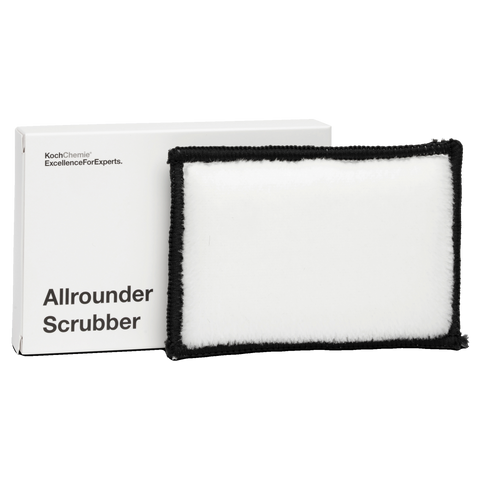
Interior Scrubber Interior Cleaning Pad

Koch-Chemie
Outlet Tap for Koch-Chemie Canisters

Koch-Chemie
Pro Glass Towel 230GSM Microfibre Glass Cloth

Koch-Chemie
Applicator Sponge for Plastic, Rubber & Leather Care


The Rag Company
Car Wash 320GSM Microfibre Cloth
Fulfill your vehicle care with premium microfiber technology


THE COLLECTION
"Allround / Coating 245" short-pile edgeless microfibre cloth (245 GSM)
Short-pile edgeless microfiber cloth for precise removal
Soft99
Professional detail brush for car exteriors in three sizes


Soft99
Ultimate detailing brushes for your car

Koch-Chemie


THE COLLECTION
"Allround / Coating 300" short-pile edgeless microfibre cloth (300 GSM)
Low-pile 300 GSM microfiber cloth with extra substance
iK Sprayers
iK Sprayers "iK Multi" TR 1 360° Sprayer (28/400)
Professional sprayer for versatile applications with 360° spraying


Koch-Chemie
Exterior Wash Mitt 640GSM Microfibre Wash Mitt
iK Sprayers
"iK Foam" Pro 2+ (Plus) Pump Foam Sprayer with Compressor Valve (incl. Colour Coding)
Professional pump foam sprayer for versatile cleaning tasks

Koch-Chemie
Exterior Brush Set Auto Detailing Brush Set
iK Sprayers
"iK Foam" Pro 2 Pump Foam Sprayer (incl. colour coding)
Professional foam sprayer for versatile car care
iK Sprayers
"iK Multi" TR Mini 360º small spray bottle (28/400)
Efficient Spray Solution for Versatile Applications


Koch-Chemie
Allround Microfiber Sponge 410GSM Microfibre Sponge
At Detailing1, microfibre towels for your car decide more about swirls in the paint than the polish does: GSM, pile height, edge and weave settle whether a towel lifts dirt or drags it across the clear coat. The range runs from short-pile edgeless all-rounders through twisted-loop drying towels and thin glass towels to the long-pile wash mitt. Brands on the shelf include Koch-Chemie, THE COLLECTION, GYEON, The Rag Company, Meguiars and SONAX.
Koch-Chemie
Pro Glass Towel 230GSM Microfibre Glass Cloth
The Rag Company
Car Wash 320GSM Microfibre Cloth
Fulfill your vehicle care with premium microfiber technology
THE COLLECTION
"Allround / Coating 245" short-pile edgeless microfibre cloth (245 GSM)
Short-pile edgeless microfiber cloth for precise removal
THE COLLECTION
"Allround / Coating 300" short-pile edgeless microfibre cloth (300 GSM)
Low-pile 300 GSM microfiber cloth with extra substance
Koch-Chemie
Exterior Wash Mitt 640GSM Microfibre Wash Mitt


THE COLLECTION
"Aqua" Twisted Loop Drying Towel (1500 GSM)
Premium Twisted Loop Drying Towel with Extreme Absorbency


THE COLLECTION
"Allround 365" short-pile edgeless microfibre cloth (365 GSM)
Short-pile Edgeless Microfiber Towel with more volume


Koch-Chemie
Pro Drying Towel 950GSM Microfibre Drying Towel


Koch-Chemie
Pro Allrounder Towel "315GSM" Microfibre Polishing Cloth
Premium Microfiber Polishing Cloth for Car Care


D-CON
Happy End Edgeless 450GSM Microfibre Cloth
Fluffy microfiber cloth for streak-free, gentle car care


THE COLLECTION
"Dual Pile" long- and short-pile microfibre towel (420 GSM)
Double-sided microfiber towel for a precise finish


Koch-Chemie
Polish and Sealing Towel 520GSM Microfibre Cloth

Detailing brushes and wheel brushes at Detailing1 reach what cloth and sponge miss in car care: vent slats, badge edges, trim strips, wheel arch and wheel spokes. The range runs from the soft interior brush for displays and leather through medium all-rounders and acid-resistant wheel brushes to the microfibre wheel brush for painted spokes. Brands stocked are Koch-Chemie, Meguiars, GYEON, SONAX, TUGA Chemie and Soft99.
Koch-Chemie
Interior Brush "Green" Interior Autodetailing Brush soft
Koch-Chemie
Interior Brush "Yellow" interior brush medium-hard
Koch-Chemie
Interior Brush "Red" hard interior detailing brush
Soft99
Professional detail brush for car exteriors in three sizes
Soft99
Ultimate detailing brushes for your car
Koch-Chemie
Exterior Brush Set Auto Detailing Brush Set


Koch-Chemie
Wheel & Engine Brush — Acid-Resistant Detailing Brush


THE COLLECTION
"Flex Brush" Microfibre Wheel Brush
Flexible Microfiber Wheel Brush for Safe Cleaning
TUGA Chemie
Detailing Wheel Brush for "Alu-Teufel "Spezial" (Green)"
Detailing wheel brush acid-resistant pH 0-14, metal-free

SONAX
PROFILINE Brush Set Detailing Brushes
Brush Set — 2-piece detailing brushes for tight spaces


Soft99
Digloss Kamitore Sponge Wheel Brush
Revolutionary wheel brush for flawless cleaning and shine
Sponges and applicators bring together the application tools of car care at Detailing1: wash sponges and interior pads for cleaning, microfibre and non-woven applicators for wax, coating, tyre and interior care, plus clay sponges for paint decontamination before polishing. The tool decides how evenly a product sits and how much of it stays in the pad. Brands stocked are Koch-Chemie, GYEON, SONAX, Meguiars and ZviZZer.
Koch-Chemie
Interior Scrubber Interior Cleaning Pad
Koch-Chemie
Applicator Sponge for Plastic, Rubber & Leather Care
Koch-Chemie
Koch-Chemie
Allround Microfiber Sponge 410GSM Microfibre Sponge


Koch-Chemie
Applicator Sponge Microfibre Applicator Sponge

Koch-Chemie
Magic Eraser Specialist Sponge

Koch-Chemie
"Puck" Hand Polishing Sponge Applicator
Ergonomic applicator sponge for wax, leather & plastic care

Koch-Chemie
Application Pen Microfibre Applicator


GYEON
Q²M TireApplicator tyre applicator for tyre care

SONAX
PROFILINE CoatingApplicator Applicator Pads (Evolon®)
Premium applicator for precise coating application

SONAX
PROFILINE Interior Sponge "Duo" Application Sponge
Interior Sponge "Duo" — Applicator sponge with 2 functional sides
INNOVACAR
"Micron App" Microfibre Applicator
Mikrofaser-Applikator mit Rücktasche für Wachs und Coating
Wascheimer & Zubehör: Wascheimer und Zubehör bilden die Behälterseite der Handwäsche. Volumen, Einsätze, Deckel und Taschen müssen zusammenpassen und den jeweiligen Arbeitsablauf unterstützen. Die Trennung von Waschlösung und stärker belastetem Wasser hilft bei der Organisation; saubere Waschmedien und regelmäßiger Wasserwechsel bleiben Teil der Arbeit.
Koch-Chemie
Applicator Sponge for Plastic, Rubber & Leather Care
Koch-Chemie
Koch-Chemie
Exterior Wash Mitt 640GSM Microfibre Wash Mitt


YETI
LoadOut® Bucket / 19 Litre Bucket
Extremely robust 19 litre bucket, ideal for car care.
Koch-Chemie
Magic Eraser Specialist Sponge

Koch-Chemie
Detailing Bucket Wash Bucket 20L
20-Liter Profi-Wascheimer für das kratzerfreie Zwei-Eimer-System


Koch-Chemie
Detailing Bucket "Grit Guard" Dirt Screen for Wash Buckets
Grit guard insert for scratch-free two-bucket washing

Koch-Chemie
Detailing Bucket Lid — Click-On Lid for Your Wash Bucket
Click Lid for the Detailing Bucket 20L — Transport & Dust Protection

Koch-Chemie
Microfibre Mitt Set "Octopus" Wash Mitt


YETI
Bucket Swivel Seat / lid seat for the "LoadOut® Bucket"
Versatile Seat Lid with 360-Degree Rotation for Easy Car Care


YETI
Bucket Caddy / insert for the "LoadOut® bucket"
Organize your car care with the robust insert

Koch-Chemie
At Detailing1, spray bottles, pressure sprayers and foam sprayers are sorted by how they put the product on the panel: hand bottles with a 28/400 neck for small areas, pressure sprayers that hold a charge of pressure for a whole side of the car, and foam units that mix in air so the cleaner dwells longer on vertical panels. The range runs from a single spray head to an electric foam sprayer. Brands carried are iK Sprayers, Koch-Chemie, solo and SONAX.
Koch-Chemie
Spray Head "Star" (28/400) CHS-3AN by Canyon
Chemical spray head for 28/400 bottles with stepless nozzle
Koch-Chemie
HDPE Cylinder Bottle (28/400) Spray Bottle 1000ml
Koch-Chemie
"Dosing Cap" dosing cap for 1000ml / 270mm bottles
Dosing cap with 5 ml scale for Koch-Chemie 1-liter bottles
Koch-Chemie
Pump sprayer with 1:1 to 1:10 scale for interior concentrates
Koch-Chemie
Outlet Tap for Koch-Chemie Canisters
iK Sprayers
iK Sprayers "iK Multi" TR 1 360° Sprayer (28/400)
Professional sprayer for versatile applications with 360° spraying
iK Sprayers
"iK Foam" Pro 2+ (Plus) Pump Foam Sprayer with Compressor Valve (incl. Colour Coding)
Professional pump foam sprayer for versatile cleaning tasks
iK Sprayers
"iK Foam" Pro 2 Pump Foam Sprayer (incl. colour coding)
Professional foam sprayer for versatile car care
iK Sprayers
"iK Multi" TR Mini 360º small spray bottle (28/400)
Efficient Spray Solution for Versatile Applications
iK Sprayers
"iK Multi" Pro 2 360° pressure sprayer (with colour coding)
Professional 360° pressure pump sprayer for versatile use
iK Sprayers
"iK Multi" TR 1 Spray Bottle (28/400)
Versatile and robust spray bottle for car care professionals
solo
solo CLEANLine "VARIOfoam" (304 FA / FB) — 2 Litre Foam Sprayer
2-liter foamer with infinitely adjustable VARIOfoam foam adjustment
Detailing aids are the tools that sit next to the chemicals: a dosing cap and drum tap get concentrate out of bottle and drum in measured amounts, masking tape protects rubber and plastic from the polisher, and tyre hose guides keep hose and cable out of the gap under the tyre. Scrapers lift stickers with a metal or plastic blade depending on the surface, while boxes and wall mounts keep towels, pads and bottles organised.
Koch-Chemie
"Dosing Cap" dosing cap for 1000ml / 270mm bottles
Dosing cap with 5 ml scale for Koch-Chemie 1-liter bottles
Koch-Chemie
Outlet Tap for Koch-Chemie Canisters


YETI
LoadOut® GoBox 60 Gear Case (large)
Ultimate storage solution for car care hardware


YETI
LoadOut® GoBox 30 2.0 Gear Case with Carry Strap
Robust and versatile equipment box for optimal organization


YETI
YETI LoadOut® GoBox 15 Gear Case (small)
Robust, versatile storage solution for adventure

Koch-Chemie
Masking Tape "50m" (Residue-Free Tape)
Precise Residue-Free Masking Tape


YETI
YETI LoadOut® GoBox Divider — partition for the "LoadOut® GoBox"
Robust Divider for YETI LoadOut® GoBox


YETI
GoBox Caddy / insert for "LoadOut® GoBox"
Perfect organization for your car care equipment


YETI
LoadOut® GoBox 1 Gear Case (Mini)
Waterproof mini box for keys, phone and small parts

Koch-Chemie
Hose & Cable Guard Hose Roller Tyre Guide Rollers

SONAX
PROFILINE Dosing Cap Dosing Aid
Dosing cap — Precise dosing aid for cleaning concentrates
Koch-Chemie
Bottle & Brush Holder — mount for 5x bottles & brushes
Folienzubehör unterstützt die Verarbeitung geeigneter Fahrzeug- und Lackschutzfolien. Montageflüssigkeiten und passende Werkzeuge werden nach Folienaufbau und Montageschritt gewählt. Gleitverhalten und Haftungsaufbau stellen unterschiedliche Anforderungen; die Freigaben des Folienherstellers entscheiden über das eingesetzte Hilfsmittel.

GYEON
Q²M "PPF" Lift Slip Solution for Paint Protection Film
Slip solution for PPF installation – precise & residue-free
Koch-Chemie
Eraser Wheel Adapter for Drills
Koch-Chemie


GYEON
Q²M "PPF" Slip PPF slip solution / slip for paint protection film
PPF Slip Solution for Edge Installation – precise & long-lasting

The right accessories connect your car care product with the surface: towels pick up residue, brushes reach recesses, applicators spread products, and sprayers dispense suitable solutions for the job. Your choice comes down to the task, the material, clean tools and the setup at your wash area.
Detailing accessories are the tools you use to apply wash chemicals, polish and car care products, or remove residue from your car's surfaces. They include towels, brushes, sponges, applicators, buckets, sprayers and supporting tools. Start with the surface and the job you have planned. Your tool needs to suit the task and be clean; choosing the right chemicals is only part of how you work on the surface.
Detailing1's day-to-day tip: When buying accessories, check the task, compatibility with your existing kit and the manufacturer's instructions. A figure such as 20 litres tells you the nominal capacity, not the dimensions an insert needs to fit. A lid does not automatically mean a bucket is leakproof for transport either. For the Koch-Chemie Detailing Bucket, the manufacturer explicitly states that the lid does not provide leak protection.
Towels, brushes and applicators do different jobs on the surface; suitability depends on the task, the material and keeping the tool clean.
You can choose the right car care chemicals and still get stuck: a towel won't sit properly in a narrow recess, an applicator pad won't pick up residue like a towel designed for removal, or a used brush still carries dirt. That is why it makes sense to choose your tool alongside the product.
A detailing brush is designed for targeted cleaning of details and recesses. It reaches places where a broad towel is awkward to use. The right bristles and shape depend on the surface and the product specifications. Delicate interior surfaces call for a different choice from heavy cleaning on robust components.
An applicator is a tool for applying products, such as a purpose-made foam or microfibre pad. It puts wax, sealant or a care product onto the surface. That lets you prepare application as a separate step. A cleaning pad, by contrast, has a specific cleaning purpose; a similar shape doesn't make the two tools interchangeable.
With towels, intended use and condition matter. Soft fibres won't stop hard particles caught in the towel from dragging across the surface as you wipe. Check both the towel and the surface before carrying on. Edge construction also plays a part in your choice, but an edgeless design alone doesn't guarantee gentle treatment.
GSM is a towel's fabric weight in grams per square metre. The figure describes one property of the fabric; it doesn't replace information about pile, construction and intended use. Compare towels by the job they actually do, rather than assuming a higher number automatically means a better match.
“What does this tool need to do here?” is a more useful question than drawing up the longest possible accessories list. Cleaning, spreading and wiping off make different demands. Keep those jobs separate and it becomes easier to see which tools you already have and where you still need to fill a gap.
The seven accessory categories group tools by function, taking you from choosing a task to selecting towels, brushes, application tools and wash area equipment.
Start with Towels and microfibre for cleaning and wiping off for picking up water or product residue. Compare towel types there by their intended use. The Brushes for detailing category takes you further if you need to work on recesses, contours or hard-to-reach spots.
For an applicator or a pad for a particular cleaning step, head to Sponges, applicators and cleaning pads. Choose according to the product and the surface. Two pads may look alike but be designed for different jobs; their product specifications give you the context you need.
Wash buckets and matching accessories cover the equipment at your wash area. Check buckets, inserts and lids against what you already own. To distribute a solution or create foam, Spraying and foaming with suitable equipment takes you to the relevant devices.
The Tools for measuring, masking and hose guidance category brings together supporting tasks. Masking Tape covers areas you want to protect; choose the right tape for the surface and the application. It lets you mark off areas you want to leave out of the planned step. Measuring tools help you get quantities right, while hose guides support a different part of the process.
For vehicle wrap work, head to Wrap accessories for the task at hand. Establish the exact job and check the instructions for the system you are using. A tool for wrap work doesn't suit another application simply because its shape looks right.
You don't need to buy from all these categories at once. If you need car care accessories for one interior task, start with its surface and function. If you have several jobs planned, work through the relevant categories one at a time. That keeps your choices manageable, with the technical differences explained in each accessory category.
Your existing wash area, the surface you are working on and the amount of work together determine which accessories make sense and which specifications to check before buying.
Start with a specific job: do you want to pick up water from paintwork, apply a care product or clean an interior detail? A purpose-made towel may suit an open surface, and a suitable brush may suit a recess. The decision comes down to the task and access; buying from the same manufacturer doesn't replace that comparison.
Next, check the surface. Paint, glass, plastic and delicate interior parts each have their own requirements for product selection. For a brush, its stated surface suitability tells you more than the broad claim “soft”. With a towel you need its intended application; with an applicator, compatibility with the product you want to apply.
At the wash area, what matters is which facilities are actually available and permitted. Is there a water supply and a suitable space for your planned method? Does the equipment meet the operator's rules? You can pressurise a small pump foamer by hand, but it doesn't automatically cover the other requirements of your wash method. Plan water needs and workload together.
When foaming, the product and device need to work together. A pump foamer creates foam from a suitable solution; you need a foaming product at the recommended dilution. Choosing a particular device doesn't make just any cleaner approved for use. Check both the chemical instructions and those for the specific sprayer.
Seal material alone isn't enough to base a purchase on either. What matters is whether the device is approved for the intended product at its working concentration. That gives you a clear way to check your choice without inferring broad chemical compatibility from a single material name. Include the exact device version in your comparison.
If you are choosing detailing accessories for a large car, factor in handling too: how does the tool sit in your hand, how do you reach the surface and which tasks will you need to repeat along the way? Build your choice around those questions. Vehicle size or an accessory's name alone cannot support a blanket promise of time savings.
Preparation, cleaning, application and removal guide your accessory choices; afterwards, keep used tools separate and care for them according to each manufacturer's instructions.
For preparation, check what the specific product instructions require. That might include a suitable container, a measuring aid or masking tools. Lay out the tools intended for that job. Before you start, you can then see whether anything is missing or whether a tool you already have covers it.
During cleaning, choose what touches the surface: the towel, wash mitt, brush or cleaning pad needs to suit the application. Think about where you will put a used tool afterwards too. Clean tools shouldn't pick up dirt from an earlier step. This comes down to preparation and keeping tools separate as you work.
For application, let the chemicals guide your choice. A wax, a coating and an interior care product can call for different applicators and methods. The specific instructions tell you whether to dampen an applicator, how to spread the product and when to wipe it off. They also determine which accessories to have ready for that step.
For removal, use a suitable, clean towel. Keep tools for different jobs apart so you don't accidentally carry on with one that is already contaminated. A clear allocation by task makes that easier; colour alone doesn't tell you whether a towel or brush suits a material.
Aftercare follows each manufacturer's instructions. For microfibre towels, for example, GYEON specifies no fabric softener or bleach and air drying when using TowelWash. Read the actual care label for the permitted temperature. There is no blanket approval for reusing towels that have been used to apply coatings.
Sprayers have their own care and maintenance instructions. With iK, releasing pressure after use and before opening is part of the intended handling procedure. Factor that final step in too. Choosing accessories covers getting ready, using them and looking after them; the full method still depends on the particular device and car care product.
These examples cover different tasks at the wash area and inside the car; choose them to meet your needs and check the relevant product description.
The Koch-Chemie Detailing Bucket mentioned earlier is a wash bucket with a nominal capacity of 20 litres. It illustrates one part of a wash area setup. If you want to add an insert or lid, check the right version. Your existing accessories won't become compatible simply because another bucket carries the same litre figure.
The Koch-Chemie Interior Brush "Grün" Interior Autodetailing Pinsel weich illustrates brush selection for interior details. Koch-Chemie assigns the green Interior Brush to particularly delicate areas such as screens and piano black trim. This soft interior brush for delicate details still needs to be used clean and handled evenly, without excessive pressure.
The Pro Drying Towel is a microfibre drying towel for picking up water. The Grau / 50x80 cm variant describes a specific size and colour. Use those details alongside the intended purpose to compare it with your existing towels. Don't treat its GSM as a universal minimum requirement for every drying towel.
The iK Foam Pro 2 Pumpschaumsprüher is an example of manual foaming with suitable chemicals. With the 1.25 Liter variant, check whether the device size and pumping suit your planned work. The manufacturer's instructions on the solution, dilution and operation are part of the choice; the capacity doesn't establish a fixed coverage per vehicle.
A trigger sprayer, bottle and foam dispenser also do different jobs: the Koch-Chemie Sprühkopf "Star" (28/400) CHS-3AN von Canyon is a separate trigger sprayer, the Koch-Chemie HDPE-Zylinderflasche (28/400) Sprühflasche 1000ml is sold without a trigger sprayer, and the Koch-Chemie Foamer Bottle Schaumspender is a foam dispenser. Check the exact version and its suitability for your product in each case; three separate items don't automatically form a matched kit.
A TrustedShops review of the iK Foam Pro 2 dated 21 October 2025 praises the foam and asks for a battery-powered version. That is one customer's view. It highlights a practical selection question: do you want to use a device you pump up by hand? The review establishes neither general time savings nor handling comfort suitable for every application.
These examples cover different functions. Check every item individually when putting your kit together: do you need the bucket, brush, drying towel or foamer right now? The additions you need depend on your existing equipment and planned step. Buying items together doesn't automatically give you a coordinated starter kit.
A suitable car care starter kit grows from your planned tasks and existing tools; fill the missing function first, then check the exact product version.
After making your selection, check your existing tools for duplicate roles, condition and task allocation.
With detailing accessories, it also pays to check for duplicated jobs. Several tools may serve the same purpose while the right tool for another step is still missing. Compare intended use, material and shape with your existing kit. An extra item makes sense when it meets a specific requirement or lets you keep tools separate where the work demands it.
Looking after your existing tools is part of taking stock too. A used towel doesn't become suitable for delicate surfaces again just because of its original product name. Check its condition and care instructions before putting it into your plan. With a sprayer, the intended chemicals and manufacturer's maintenance instructions also help you decide whether it covers the next job.
For recurring jobs, assigning tools by task can keep your kit easy to manage. Store suitable, clean tools so you can recognise them next time. This doesn't give you a universal quantity to buy: your surfaces, the product you use and the need to separate steps determine what you actually need.
Choose detailing accessories around your next job: name the surface, check your existing tool and open the accessory category for the missing function. Then decide on the right version there. That turns a general shopping list into a reasoned choice for the work you actually plan to do on your car.
Too much choice in Accesories? Get help picking:
Start with your planned tasks and existing kit. For accessories, you need suitable tools for cleaning, applying and wiping off, plus the necessary wash area equipment. Choose towels, brushes or applicators by the surface and product instructions. There is no universal quantity to buy; fill the function you are actually missing first.
Check whether your wash method is feasible with the facilities at your wash area. A small pump sprayer doesn't automatically replace a missing water supply. For foam, you also need a foaming product, the recommended dilution and device approval. Factor in manual pumping and refilling; dwell time and removal depend on the specific chemicals.
Whether a towel or brush is a better fit depends on the surface and the task. A suitable towel, for example, removes residue from open surfaces; a matching brush reaches recesses. Compare material, shape and the manufacturer's specifications. High GSM or particularly soft bristles alone don't justify a recommendation for every job.
For a pump foamer, you need a foaming product whose formulation and recommended dilution suit the specific device. Check the device manufacturer's chemical approvals and the product instructions. The seal's name or pH alone isn't enough to decide. Fill volume, mixing and pressure release also follow the device instructions.
Give every item a specific job and surface. Then compare it with the clean, suitable tools you already own. If you lack a tool for cleaning, application or removal, check that addition specifically. More accessories make sense when you add a new task or need to keep tools separate; a universal shopping list cannot replace checking your needs.
Follow the care label and manufacturer's instructions for washing and temperature. For TowelWash, GYEON specifies no fabric softener or bleach and air drying. Check the towel's condition afterwards and keep different jobs separate. One wash temperature doesn't suit every microfibre towel; reuse after coating work isn't approved across the board.
Daniel von Detailing1 |

Jasper von Detailing1 |

Daniel von Detailing1 |

Daniel von Detailing1 |

Daniel von Detailing1 |

Jasper von Detailing1 |

Jasper von Detailing1 |

Daniel von Detailing1 |

Daniel von Detailing1 |

Daniel von Detailing1 |

Daniel von Detailing1 |

Daniel von Detailing1 |


