


5 leather brush mistakes that roughen car leather
Daniel von Detailing1 |


YETI
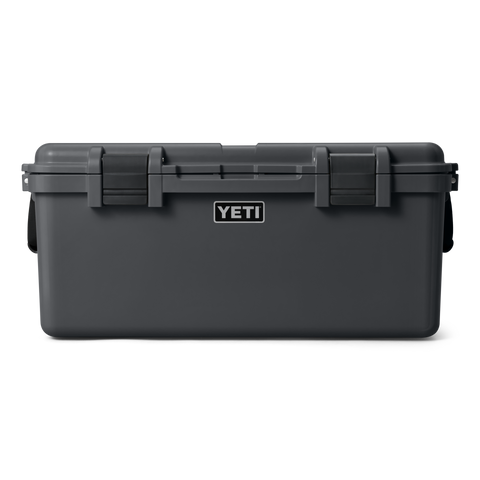
LoadOut® GoBox 60 Gear Case (large)
Ultimate storage solution for car care hardware


YETI
LoadOut® GoBox 30 2.0 Gear Case with Carry Strap
Robust and versatile equipment box for optimal organization


YETI
YETI LoadOut® GoBox 15 Gear Case (small)
Robust, versatile storage solution for adventure


YETI
YETI LoadOut® GoBox Divider — partition for the "LoadOut® GoBox"
Robust Divider for YETI LoadOut® GoBox


YETI
GoBox Caddy / insert for "LoadOut® GoBox"
Perfect organization for your car care equipment

Rupes
BigFoot "LHR15" Mark V 15mm Random Orbital Polisher Ø125mm
Precise and quiet thanks to innovative technology


YETI
LoadOut® GoBox 1 Gear Case (Mini)
Waterproof mini box for keys, phone and small parts
Koch-Chemie
Bottle & Brush Holder — mount for 5x bottles & brushes
Koch-Chemie
Trigger Holder rack for 5x spray bottles

FLEX
FLEX "XFE 2 15 14-EC C" 15mm Random Orbital Polisher with Free Spin Ø150mm
Professional orbital polisher for a hologram-free finish


Soft99
Optimal storage solution for car care products

Rupes
BigFoot "LHR21" Mark V 21mm Dual Action Polisher Ø150mm
Ergonomic design and innovative technology

Rupes
BigFoot "LHR21" Mark III 21mm Random Orbital Polisher Ø150mm
Professionelle Poliermaschine für schnelle und effektive Fahrzeugaufbe
FLEX
"XCE 2 8 14-EC C" 8mm Dual-Action Polisher with Forced Rotation Ø150mm
Forced Rotation Polisher for Precise Paint Correction
Koch-Chemie
Glove Dispenser Holder for Disposable Gloves

Rupes
BigFoot "LHR15" Mark III 15mm Random Orbital Polisher Ø125mm
Efficient and ergonomic polishing machine for professionals
FLEX
"PE 2 14-EC C" Rotary Polisher Ø150mm
Professional Rotary Polisher for Maximum Paint Correction

Rupes
BigFoot "LH19E" Rotary Polisher Ø125mm
High-performance rotary polisher for professional car care


Kränzle

Kränzle
"Starlet 4" long pressure washer gun for "D12"
Ergonomic high-pressure washer gun for professionals

Kränzle
"Starlet 3" short pressure washer gun for "D12"
High-pressure cleaner gun with ergonomic design and high performance


Kränzle
"K 1050 TST" Pressure Washer with Hose Reel
Compact and powerful pressure washer with hose reel
FLEX
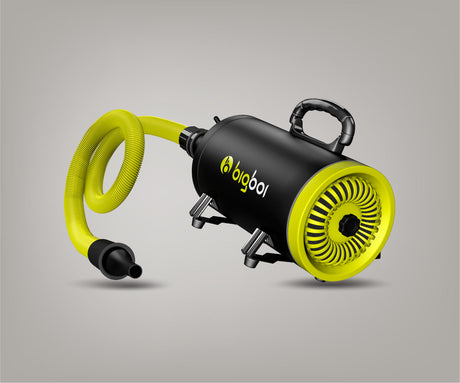
Professional Inspection Light for Swirls and Holograms
Cleaning machines for car care are pressure washers for the pre-wash and rinse, vacuums and air cleaning guns for the interior, and blower dryers for leftover water in gaps. Every machine depends on its supply: water feed, 230-volt socket, compressor or battery. Pick by the job and the connection, not by the biggest bar or watt figure on the box.
Kränzle
Kränzle
"Starlet 4" long pressure washer gun for "D12"
Ergonomic high-pressure washer gun for professionals
Kränzle
"Starlet 3" short pressure washer gun for "D12"
High-pressure cleaner gun with ergonomic design and high performance
Kränzle
"K 1050 TST" Pressure Washer with Hose Reel
Compact and powerful pressure washer with hose reel


Kränzle
"K 1050 P" Pressure Washer (Compact & Portable)
Compact high-pressure cleaner for private users

Kränzle
"Quickly" Pressure Washer (Cold Water)
High-pressure cleaner for home with professional quality
FLEX
"VCE 26 L MC 230/CEE" Safety Vacuum Cleaner 25 L
Safety Vacuum Cleaner 25L Dry, 16L Wet, Class L, 1200W
FLEX
"VCE 22 M MC V 230/CEE" Safety Vacuum Cleaner 20 L
Class M Safety Vacuum Cleaner with Automatic Switch-On 20L
FLEX
"VC 21 L MC 230/CEE" Safety Vacuum Cleaner 20 L
20L Wet/Dry Vacuum with Float Valve and Fill Level Indicator
FLEX
"VCE 44 M AC-Set 230/CEE" Safety Vacuum Cleaner 42 L
42L Class M Safety Vacuum Cleaner with Automatic Filter Cleaning
FLEX
"VC 6 L MC 230/CEE" Compact vacuum cleaner 6 L
Mains-powered 1200W compact vacuum cleaner with 6L and dust bag
Power tools for car detailing: sanders take down paint and filler before polishing, polishers refine the clear coat, heat guns make wrap film pliable, cordless screwdrivers free up trim, compressors supply compressed air. In the FLEX system one 18-volt battery powers polisher, sander, heat gun and compressor; RUPES iBrid is a separate battery system. Choose by the job at hand and the battery platform.
Rupes
BigFoot "LHR15" Mark V 15mm Random Orbital Polisher Ø125mm
Precise and quiet thanks to innovative technology
FLEX
FLEX "XFE 2 15 14-EC C" 15mm Random Orbital Polisher with Free Spin Ø150mm
Professional orbital polisher for a hologram-free finish
Rupes
BigFoot "LHR21" Mark V 21mm Dual Action Polisher Ø150mm
Ergonomic design and innovative technology
Rupes
BigFoot "LHR21" Mark III 21mm Random Orbital Polisher Ø150mm
Professionelle Poliermaschine für schnelle und effektive Fahrzeugaufbe
FLEX
"XCE 2 8 14-EC C" 8mm Dual-Action Polisher with Forced Rotation Ø150mm
Forced Rotation Polisher for Precise Paint Correction
Rupes
BigFoot "LHR15" Mark III 15mm Random Orbital Polisher Ø125mm
Efficient and ergonomic polishing machine for professionals
FLEX
"PE 2 14-EC C" Rotary Polisher Ø150mm
Professional Rotary Polisher for Maximum Paint Correction
Rupes
BigFoot "LH19E" Rotary Polisher Ø125mm
High-performance rotary polisher for professional car care

Rupes
BigFoot "LHR21ES" 21mm Random Orbital Polisher Ø150mm
Professional polishing results thanks to large stroke
FLEX
"ORE 3-150 EC 230/CEE" 3mm Random Orbital Sander Ø150mm
Random orbital sander 400W, 3mm stroke, pad brake, Ø150mm
FLEX
"ORE 5-150 EC 230/CEE" 5mm Random Orbital Sander Ø150mm
Random Orbit Sander 400W, 5mm Stroke, Pad Brake, Ø150mm
FLEX
"OSE 2-70x198-EC" Orbital Sander 70×198mm
Orbital sander 260W, brushless, 4-speed, 70×198mm
Beleuchtung verbindet die Ausleuchtung des Arbeitsplatzes mit der gezielten Kontrolle des Lackbilds. Hand- und Stirnlampen erreichen enge Stellen, Strahler beleuchten größere Bereiche und Kontrollleuchten zeigen feine Spuren. Lichtverteilung, Position und Versorgung werden nach der Aufgabe gewählt, nicht nur nach der maximalen Helligkeit.
FLEX
Professional Inspection Light for Swirls and Holograms
FLEX
"TL 4000 18.0/230" LED Construction Spotlight with Tripod (18V)
Dual-Power LED Work Light with Tripod for Workshop and Detailing
FLEX
DWL 2500 12/18 LED Full Spectrum Light (12/18V)
Full-spectrum LED light 3000lm CRI RA 96 with All-Daylight

FLEX
"WLS-70-190" Mobile Lamp Tripod
Height-adjustable roller stand 0.7–1.9m for DWL 2500
FLEX
"MWL 150 4" Multi-purpose Headlamp
Multi-purpose LED headlamp CRI 97 with PXE clip for PXE 80
Workshop equipment for vehicle detailing pulls together the machines you use to wash a car, lift it and work on the wheels: pressure washers for the pre-wash, jacks and scissor lifts for getting underneath, plus the kit for tyre service. What actually fits comes down to your fuse rating, water flow, floor loading and floor space, not the spec sheet alone. Advice from a specialist, buy on invoice.
YETI
LoadOut® GoBox 60 Gear Case (large)
Ultimate storage solution for car care hardware
YETI
LoadOut® GoBox 30 2.0 Gear Case with Carry Strap
Robust and versatile equipment box for optimal organization
YETI
YETI LoadOut® GoBox 15 Gear Case (small)
Robust, versatile storage solution for adventure
YETI
YETI LoadOut® GoBox Divider — partition for the "LoadOut® GoBox"
Robust Divider for YETI LoadOut® GoBox
YETI
GoBox Caddy / insert for "LoadOut® GoBox"
Perfect organization for your car care equipment
YETI
LoadOut® GoBox 1 Gear Case (Mini)
Waterproof mini box for keys, phone and small parts
Koch-Chemie
Bottle & Brush Holder — mount for 5x bottles & brushes
Koch-Chemie
Trigger Holder rack for 5x spray bottles
Soft99
Optimal storage solution for car care products
Koch-Chemie
Glove Dispenser Holder for Disposable Gloves
Koch-Chemie
Polisher Holder for polishing machines up to 180mm
Koch-Chemie
Pressure Sprayer Holder Wall Bracket for Two Sprayers

Workshop equipment brings machines, tools, lighting and storage together around the jobs you do on the vehicle. The function you need, suitable connections and available working space are what count. Cleaning, surface work and servicing call for different types of equipment, each with its own checks.
Workshop equipment covers the machines and accessories you use to set up a workspace for car care and servicing. That includes cleaning equipment, tools, lighting, storage and lifting equipment. Each has a different job: a vacuum picks up dirt, a light helps you see and a holder keeps your kit organised. Choose according to the work on the vehicle, the manufacturer's specifications and the conditions at your workspace.
Detailing1's day-to-day tip: Check the bottle body before planning a holder: the Bottle & Brush Holder is designed for diameters up to 9 cm. Capacity alone won't tell you whether your bottle fits. Measure the diameter of the bottle you intend to use and compare it with that manufacturer specification. Other holders have their own dimensions.
The job on the vehicle decides what your equipment needs to do; choosing a machine and checking the planned workspace come after that.
Start with a specific job: vacuuming the interior, working painted surfaces with a machine or taking your kit to another vehicle. Each calls for something different. For vacuuming, you need a suitable suction function; for machine work, the right tool; and for taking equipment with you, storage sized to fit your kit.
Separate the equipment's function from the place where you use it. A garage is, first of all, a room. Whether a particular machine can work there depends on utilities, access and the manufacturer's requirements, among other things. A product name alone confirms neither that the room is suitable nor that the equipment suits your vehicle.
To get started, write down the jobs you plan to do and list the kit you already have alongside them. You'll see whether you're missing a function or simply need a better home for existing equipment. Another machine answers a different question from a wall holder. Both can belong in the workspace, but they do different jobs.
It's worth taking the same look at an existing workshop. If you already have a polisher, for example, the next decision isn't automatically another model. You might want somewhere to store it or a closer view of the surface while working. Start with holders or lighting in that case; turn to tools when you're missing a machine function.
For mobile detailing, separate use from transport too. The equipment you use on the vehicle must suit the job there; how you take it with you depends on space and handling. Check bottles, cloths, brushes and machines individually. Putting them in the same storage box doesn't give them a shared approval for use.
Workshop supplies aren't a fixed shopping list for every garage. You might be starting with one car care job or a fully set-up detailing space. Pick the area that answers your actual question. The categories below sort those questions before you get into comparing individual models.
Cleaning machines, tools and servicing equipment do different jobs on a vehicle; similar designs or high power ratings don't make their functions and operating limits interchangeable.
Cleaning equipment covers functions such as cleaning with water, vacuuming or drying with airflow. First work out which function your planned job needs. This section covers machine choice and the technical differences. Cleaning chemicals remain a separate choice based on the surface and the manufacturer's instructions.
A wet/dry vacuum is designed to pick up the dry or wet materials the manufacturer approves. That name doesn't confirm a spray function. Spray extraction applies cleaning solution and then vacuums it back up. If that's the process you want for a suitable textile surface, check the machine's function and the material care requirements explicitly.
The Tools section takes you to mains-powered or cordless tools for the work at hand. A polisher moves a suitable pad across the surface. It doesn't replace choosing a polish and pad or checking the paint. Treat machine type and drive system separately from the polishing process itself.
Lighting helps with another job: seeing where you're working and assessing the surface. A bright room and a light aimed at a specific area serve different purposes. Storage, in turn, changes where your kit belongs. A holder can hold a machine, but it can't do the machine's job. Keep those roles separate from the planning stage.
Servicing includes checking whether, and how, a vehicle may be lifted for a particular job. Lifting equipment gives access under the approved conditions. Tyre servicing covers work on the wheel or tyre and the tools or machines designed for it. A lifted vehicle alone doesn't mean you're fully equipped for the tyre work that follows.
Equipment suits the planned job only when its supply requirements, connections and operating conditions match your workspace and vehicle.
Before comparing models, note which utilities you can actually use at the work location. Machines may need electricity, water or compressed air. The specific requirements come from the machine and its manual. A socket you can see or an existing hose connection isn't a blanket compatibility check. Compare the connection specifications and intended operating conditions.
With cordless tools, check the tool, battery and charger together. The same brand name or a similar-looking mount doesn't approve every combination. Check the platform explicitly named and what's included in the offer you've chosen. You'll know which components you can use and what else you need to run the tool before making your choice.
Think about the areas you need to reach as well as the room itself. An open door changes the access needed for the interior; cables, hoses and equipment you've set down all need a place in the plan. Don't work from universal clearance figures. The machine requirements, your actual route around the vehicle and safe use at that location are what matter.
The same division of tasks applies to lighting. Room lighting gives an overview; a movable work light can target an area. Paint inspection needs lights designed for that purpose and the right handling. Brightness alone doesn't make a light suitable for every surface assessment. The Lighting category points you towards the right lighting task.
Lifting equipment adds vehicle support points and installation conditions to the list. Lifting points are the places the vehicle manufacturer specifies for lifting; check their positions and the supports that fit them. Capacity, floor, space and installation requirements depend on the equipment. A rented garage or an estimated concrete thickness can't replace having the requirements checked by the relevant specialists.
Write down any unresolved specifications before buying. That might be the power supply, an approved battery combination or the floor construction. If you can't establish a critical requirement, leave that choice open. A higher power rating won't fix an incompatible connection or an unconfirmed vehicle support arrangement.
Preparation, equipment use and care afterwards each need a place in your workflow; follow the instructions for the equipment you use for the actual steps.
With a vacuum, preparation includes the manufacturer's specified setup for the material you plan to pick up. Check filters and accessories against the manual. Knowing whether the material is dry or wet doesn't replace those instructions: what you may pick up depends on the specific machine.
Plan cable and hose routes before using the equipment. Koch-Chemie's written instructions for cable and hose protection call for positioning it before work starts. Use that as a planning question: where will the connection run as you move around the vehicle? Routing accessories don't replace checking the cable or hose or following the machine's safety instructions.
While working, keep having a tool ready separate from putting it on the surface. A brush you've laid out isn't automatically suitable for every surface, and a polishing pad needs the right combination of machine, process and surface. Set out only what that step calls for. Choose cleaning and paintwork tools within the relevant care process.
Follow the manual when caring for equipment afterwards. Containers, filters, lines and accessories may each have different instructions. Don't carry a cleaning or storage step over to another machine without checking it. Even a machine approved to pick up liquid doesn't have blanket approval for all liquids or every filter setup.
When putting your kit away, ask which items are ready to use again and which still need cleaning or checking. Plan separate places for those states instead of putting everything back together. You'll find the specific box and holder options under Workshop storage and organisation. That section is about keeping your workspace in order.
A fixed workspace and a mobile setup finish in different ways. In a garage, machines go back to their designated place; at another location, you also need to prepare them for the trip. Store products according to their own storage instructions. A gear case doesn't replace those instructions and says nothing on its own about the permitted transport conditions for its contents.
Boxes, bottle holders, machine holders, polishers and jacks each have their own job; the manufacturer's specifications show which size limits or operating conditions to check for each example.
If you want to keep loose kit together, the YETI LoadOut® GoBox 30 2.0 Gear Case Ausrüstungsbox mit Tragegurt is one storage example. Check the product details and the space your kit needs. The box organises loose equipment; choose the car care products you need separately.
Other examples from the same product family are the YETI LoadOut® GoBox 60 Gear Case Ausrüstungsbox (groß) and the YETI LoadOut® GoBox 1 Gear Case Ausrüstungsbox (Mini). Compare their dimensions with the intended contents and storage location.
A wall holder does a different job from a box. The Bottle & Brush Holder mentioned above keeps bottles and brushes in designated slots. The Polisher Holder is designed to store polishers. With both, check mounting and machine shape as well as the documented size limit. The installation is part of setting up your specific workspace.
For surface work, one example is the Rupes BigFoot "HLR15" iBrid Akku Exzenter-Poliermaschine Ø125mm. Choose the pad and polish to suit the surface and intended process. Head to the tools section to compare machines and drive systems.
For lifting, this hub uses the Weber-Werke Wagenheber "Aluminium" für 1500kg as an equipment example. The capacity in the name isn't an approval for your particular vehicle or a specific lifting point. Don't plan to use a jack as a permanent support. The vehicle requirements, equipment manual and safeguards specified for the job remain decisive.
The next category depends on the choice you still need to make: machine function, tools, visibility, storage and vehicle servicing each need different information for a sound decision.
You'll find machine functions under cleaning equipment, and machines and drive systems under tools. Lighting covers the lighting task; workshop storage and organisation covers boxes and holders. For vehicle support and installation, go to Vehicle lifts and lifting equipment; for the tyre work afterwards, go to Tyre servicing.
Have the key details ready: the job, vehicle or surface, available utilities and the equipment the new part needs to work with. That turns a broad search for workshop equipment into a choice you can check against the specifications.
Too much choice in Workshop? Get help picking:
Workshop equipment for car care includes cleaning machines, tools, lighting, storage and lifting equipment for the jobs on the vehicle. Plan these areas around your tasks and existing kit. Check utilities, working space and machine requirements before comparing models. Not every garage needs every function; the relevant workshop section takes you to a specific choice.
Plan storage around the tools you use and their condition. Keep cloths and brushes that are ready to use separate from items still needing cleaning. Car care products have their own storage instructions. Compare boxes and holders by dimensions and what they accommodate; the detailed setup belongs in workshop storage and organisation.
Compare workshop supplies by the function you need and the manufacturer's specifications. Check supply requirements, connections, size limits and intended location, as well as what's included and any accessories. Power figures alone don't confirm a suitable setup. Keep model comparisons separate from choosing a care process; machines, lighting and storage do different jobs.
For paint inspection, use a light designed for the job with selectable colour temperature. Check the paint under its different light colours rather than just one. Room lighting gives an overview and needs separate planning. Beam pattern and position also matter when inspecting paint closely.
A bright garage won't automatically reveal the paint features you want to assess. Use a purpose-designed light according to its instructions and aim it at the area you're checking. Inspect the surface under suitable lighting conditions. That doesn't give you a universal angle or a general brightness threshold.
Put your kit together around the planned job and check what you can use at the location. Choose boxes by contents and dimensions, not just their product name. Keep items ready to use separate from those still needing cleaning. Each product and machine retains its own storage and transport requirements.
Daniel von Detailing1 |

Jasper von Detailing1 |

Daniel von Detailing1 |

Daniel von Detailing1 |

Daniel von Detailing1 |

Jasper von Detailing1 |

Jasper von Detailing1 |

Daniel von Detailing1 |

Daniel von Detailing1 |

Daniel von Detailing1 |

Daniel von Detailing1 |

Daniel von Detailing1 |


